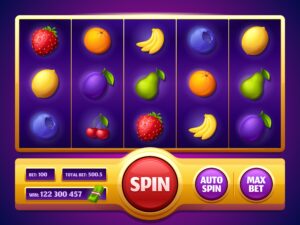
mst3ktemple.com Step back in time and delve into the fascinating world of slot bet 100. From their humble beginnings to the high-tech marvels we know today, join us on a journey through the evolution of these iconic gambling devices. Get ready to uncover the origins and see how far slot bet 100 have come throughout history!
Introduction: Setting the Scene for the Evolution of Slot bet 100
Slot bet 100 have become an iconic symbol of the gambling industry, with their bright lights, catchy sounds and promises of big jackpots. But have you ever wondered how these seemingly simple machines came to be? The evolution of slot bet 100 throughout history is a fascinating journey that has shaped the way we view and experience gambling today.
The origins of slot bet 100 can be traced back to the late 19th century, where they first emerged as simple mechanical devices. These early versions were based on poker and had five reels with card symbols. Players would insert a coin and pull a lever to spin the reels, hoping for a winning combination. However, these early machines did not pay out in cash but instead offered prizes such as free drinks or cigars depending on the establishment.
It wasn’t until 1895 when Charles Fey, a mechanic from San Francisco, invented the first true slot bet 100 known as the Liberty Bell. This machine had three spinning reels with five symbols – spades, hearts, diamonds, horseshoes and bells – which gave it its name. The Liberty Bell was also the first machine to offer automatic payouts for winning combinations using a system of internal gears and levers.
As slot bet 100 gained popularity across America in saloons, barber shops and other establishments during this time period, they faced strict regulations due to concerns about illegal gambling activities. In response to this issue, manufacturers began creating more creative designs that didn’t resemble traditional poker games. For example, one popular design featured fruit symbols like cherries and melons on different reels instead of playing cards.
In 1963, Bally Technologies developed Money Honey – the first fully electromechanical slot bet 100 which used electricity instead of springs to power its mechanisms. This innovation allowed for larger jackpots and paved the way for modern video slots we see in casinos today.
The introduction of microprocessors in 1975 revolutionized the slot bet 100 industry once again, as it allowed for more complex and sophisticated games with multiple paylines and bonus features. The 1990s saw the rise of online casinos, bringing slot bet 100 to a whole new level of convenience and accessibility.
Today, we continue to see advancements in technology influencing the evolution of slot bet 100. From virtual reality slots to mobile gaming, the possibilities seem endless. But no matter how far they have come, slot bet 100 will always hold a special place in our hearts as one of the most beloved forms of gambling entertainment.
In the following sections, we will explore each stage of this evolution in more detail – from mechanical reels to digital screens – uncovering the origins and innovations that have shaped modern slot machines into what they are today.
Early Beginnings: The First Slot Machine Invented by Charles Fey
In the late 19th century, gambling was a popular pastime among many Americans. Saloons and bars offered games such as poker and roulette, but there was one game that stood out from the rest – the slot machine.
The first ever slot machine was invented by a mechanic named Charles Fey in San Francisco, California in 1895.
Fey’s inspiration for the slot machine came from his love for mechanics and his fascination with poker. The Liberty Bell became an instant success and was installed in many saloons across San Francisco.
Although it was called a “slot machine”, Fey’s invention did not have a lever to pull like modern-day machines do. Instead, players inserted coins into slots on top of the machine and pulled a lever to start spinning the reels. If three Liberty Bells lined up on all three reels, players would win 50 cents – quite a large sum at that time.
Fey didn’t stop there – he continued to improve upon his design and created other variations of slot machines such as “Operator Bell” which included fruit symbols like cherries and plums. These designs are still used today in modern slot machines.
However, not everyone saw Fey’s creation as harmless entertainment. In fact, many saw it as a form of gambling that needed to be regulated or even banned completely. In 1909, anti-gambling laws were passed in San Francisco, and slot machines were deemed illegal. This pushed Fey to move his operations to Chicago, where he continued to manufacture and sell slot machines.
Despite the legal challenges, Fey’s invention remained popular and paved the way for modern-day slot machines.
From Fruit Symbols to Bells: How Traditional Symbols Came to be Associated with Slots
Slot machines have become a staple in the world of gambling and entertainment, with their bright lights and exciting sounds drawing in crowds for decades. But have you ever stopped to wonder where these iconic symbols on the reels actually came from? How did fruits, lucky sevens, and bells become synonymous with slot machines?
But why did Fey choose these particular symbols for his machine? The answer lies in their cultural significance at the time.
The Liberty Bell itself was also a powerful symbol during this time period. It had been rung to announce important events such as Independence Day or the end of World War I. By using it as a symbol on his machine, Fey cleverly linked his invention to patriotism and freedom.
As slot machines became more popular throughout the 20th century, other symbols began to appear on the reels. One common addition was fruit symbols such as cherries, lemons, oranges, plums, and watermelons.
The traditional symbols we see on slot machines today have their roots deeply embedded in culture and history.
The Golden Age of Slots: Innovations and Advancements in the 20th Century
One of the most significant advancements during this era was the development of electromechanical slots. These machines used electricity to power their spinning reels, which made them much faster and more efficient than their purely mechanical counterparts. This allowed for more complex game designs and introduced features such as multiple paylines, bonus rounds, and progressive jackpots.
In 1963, Bally Manufacturing Corporation released the first fully electromechanical slot machine called Money Honey.
Another groundbreaking innovation during this time was the invention of video slots.
The 1980s saw even more advancements in slot machine technology with the introduction of random number generators (RNG).
As technology continued to advance rapidly throughout the late 20th century, so did slot machines.
The turn of the millennium brought about another significant change in slot machine design with the introduction of touchscreens.
The Digital Revolution: How Technology Transformed Slot Machines
The introduction of technology has greatly transformed the world of slot machines, creating a digital revolution in the gambling industry. Gone are the days of pulling levers and watching mechanical reels spin. Today, slot machines are sleek, electronic devices that offer a wide range of features and options for players to enjoy.
One of the biggest changes brought about by technology is the move from mechanical to electronic slot machines. In the 1960s, Bally Manufacturing created the first fully electromechanical slot machine called Money Honey.
These new machines featured microprocessors and computer software, allowing for more complex game play and increased payouts.
In recent years, online casinos have taken over as one of the most popular ways to play slots.
Another major change brought about by technology is the use of random number generators (RNGs) in modern-day slot machines. operators.
The digital revolution has transformed slot machines from simple mechanical devices to advanced electronic gaming machines. Online Gaming: The Emergence of Virtual Slot Machines and Their Impact on the Industry
In recent years, the world of online gaming has seen a significant shift towards virtual slot machines. These digital counterparts to traditional physical slot machines have become increasingly popular among players, and have had a major impact on the industry as a whole.
These early versions of virtual slots were simple and lacked many of the features that we see in today’s games. However, they proved to be successful in attracting players who enjoyed the convenience and accessibility of playing from their own homes.
As technology advanced, so did virtual slot machines. The development of more sophisticated software allowed for the creation of visually stunning games with advanced graphics and animations. This added an extra element of excitement and immersion for players, making them feel like they were playing in a real casino environment.
One notable aspect that sets virtual slots apart from their physical counterparts is the variety and creativity in game design. This has opened up new possibilities for game developers to create innovative and engaging games that cater to different interests and preferences.
Another key factor contributing to the popularity of virtual slot machines is their availability across multiple devices.
The rise of virtual slot machines has also had a significant impact on the industry as a whole. This has not only helped them stay competitive but also expanded their reach beyond geographical boundaries.
The emergence of virtual slot machines has revolutionized the online gaming industry. With their advanced technology, diverse game options, and accessibility, they have become a popular choice for players worldwide.
From Land-Based
It quickly gained popularity and became a common sight in saloons and bars.
However, these early slot machines were still solely mechanical and operated by pulling a lever to spin the reels.
This also allowed for larger payouts as electronic circuits could handle more calculations than their mechanical counterparts.
The introduction of microchips in the 1970s revolutionized the world of slot machines. These tiny chips helped automate many processes such as counting coins and determining payouts. The use of random number generators (RNGs) also made it possible for players to win larger sums of money.
With continued advancements in technology, video slots emerged in the 1980s. These machines had digital screens instead of physical reels and offered multiple paylines for players to bet on. They also featured vibrant graphics and bonus rounds which added an extra level of excitement for players.
The 1990s saw another major shift in slot machine evolution with the introduction of online casinos. Players could now access their favorite games from anywhere with an internet connection, without having to physically visit a casino.
They often offer multiple paylines and betting options catering to all types of players.
Land-based casinos have also embraced new technologies like touch screens and virtual reality to enhance the gaming experience. where players can use their skills to increase their chances of winning.
These physical machines also offer a sense of control and familiarity that online slots may lack.
The constant evolution of these games ensures that they remain entertaining and popular among players worldwide.
 dokter backlink
  Evelyn Lowe